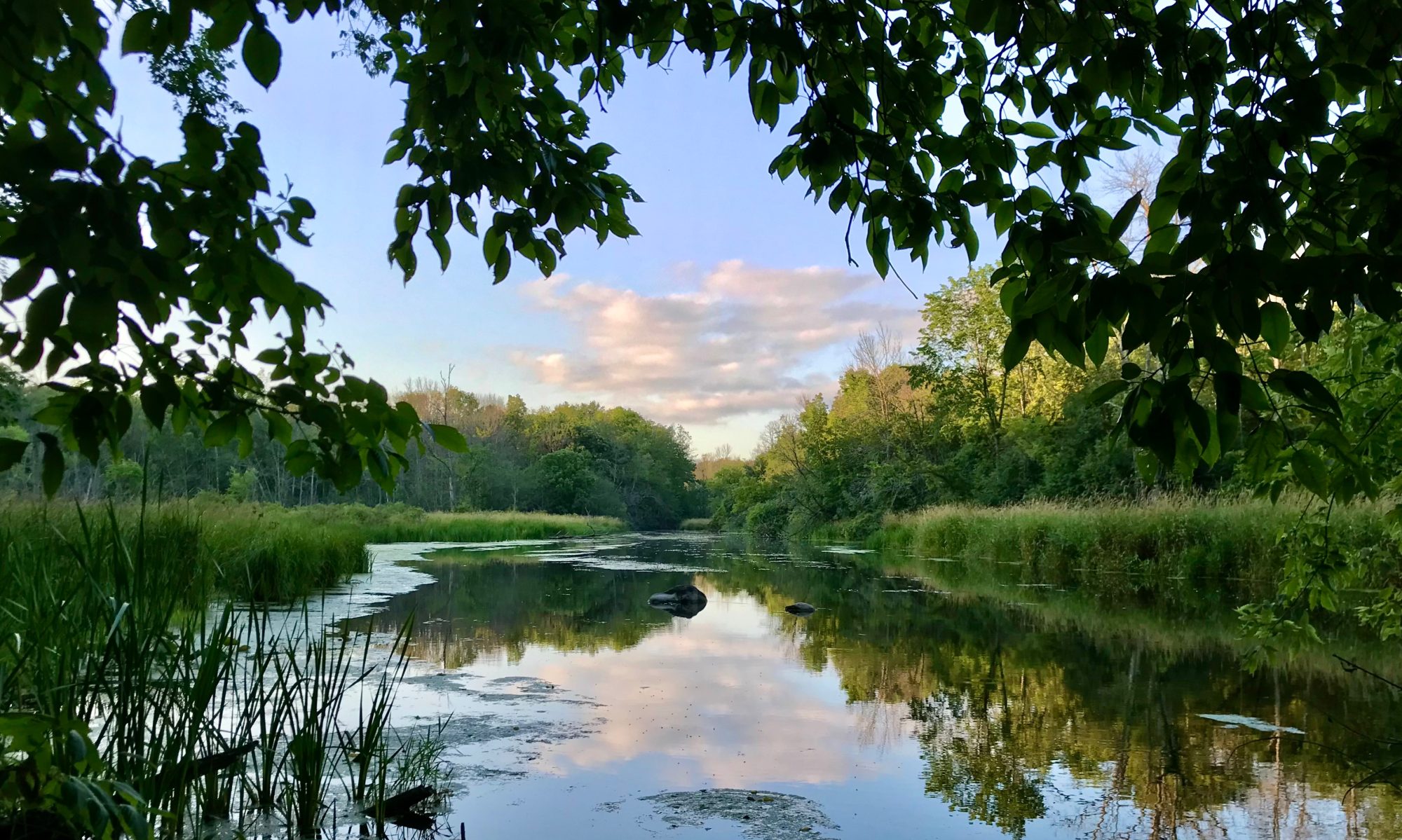

I’ve enjoyed posting poetry series themed around the Christian year recently (see “Poetry for Lent,” “Poetry for Easter,“ and “Poetry for Ordinary Time“). As a follow-up to the “Poetry for Advent” and “Poetry for Christmas” series, I am continuing that theme with a series called “Poetry for Epiphany.” The season of Epiphany, runs from the end of Christmastide up to the beginning of Lent. Epiphany focuses on the revelation of Jesus and His early life, beginning with the revelation of Jesus as King to the Magi.
I begin this series of Epiphany poetry with T. S. Eliot’s “Journey of the Magi.” Thomas Stearns Eliot is probably the most famous twentieth-century English-language poet, renowned for his groundbreaking work typified in poems like “The Love Song of J. Alfred Prufrock” (1911) and The Wasteland (1922). Eliot was born in the United States but resided in England for most of his adult life.
A cold coming we had of it,
Just the worst time of the year
For a journey, and such a long journey:
The ways deep and the weather sharp,
The very dead of winter.
And the camels galled, sore-footed, refractory,
Lying down in the melting snow.
There were times when we regretted
The summer palaces on slopes, the terraces,
And the silken girls bringing sherbet.
Then the camel men cursing and grumbling
And running away, and wanting their liquor and women,
And the night-fires going out, and the lack of shelters,
And the cities dirty and the towns unfriendly
And the villages dirty and charging high prices:
A hard time we had of it.
At the end we preferred to travel all night,
Sleeping in snatches,
With the voices singing in our ears, saying
That this was all folly.
Then at dawn we came down to a temperate valley,
Wet, below the snow line, smelling of vegetation;
With a running stream and a water mill beating the darkness,
And three trees on the low sky,
And an old white horse galloped away in the meadow.
Then we came to a tavern with vine-leaves over the lintel,
Six hands at an open door dicing for pieces of silver,
And feet kicking the empty wineskins.
But there was no information, and so we continued
And arrived at evening, not a moment too soon
Finding the place; it was (you may say) satisfactory.
All this was a long time ago, I remember,
And I would do it again, but set down
This set down
This: were we led all that way for
Birth or Death? There was a Birth, certainly,
We had evidence and no doubt. I had seen birth and death,
But had thought they were different; this Birth was
Hard and bitter agony for us, like Death, our death.
We returned to our places, these Kingdoms,
But no longer at ease here, in the old dispensation,
With an alien people clutching their gods.
I should be glad of another death.
Source: Collected Poems 1909-1962, © 1963 T. S. Eliot
Image credit: Imgur.
Discover more from Matthew Erickson
Subscribe to get the latest posts sent to your email.
 Matthew Erickson

Thanks for sharing this, Matt. I’ve been reading the poem this week as the journey of each of us and pondering how words sparked with Divine meaning are new each time one reads them!