
Outside of the Gospel accounts of Jesus’ resurrection, there is really no better passage of Scripture on the resurrection than Paul’s writing in 1 Corinthians 15. There, in a church that was grappling with the meaning of the resurrection, Paul begins by setting the stage for the believers with the historical resurrection of Jesus:
3 For what I received I passed on to you as of first importance: that Christ died for our sins according to the Scriptures, 4 that he was buried, that he was raised on the third day according to the Scriptures, 5 and that he appeared to Cephas, and then to the Twelve. 6 After that, he appeared to more than five hundred of the brothers and sisters at the same time, most of whom are still living, though some have fallen asleep. 7 Then he appeared to James, then to all the apostles, 8 and last of all he appeared to me also, as to one abnormally born. (1 Cor 15:3-8)
In what might feel like an early Christian creed, Paul recounts the reality that Jesus the Messiah died for our sins, was buried, and then was raised from death before appearing to the disciples. Jesus died a physical death, His dead body was physically buried, and then His physical body was resurrected in glory. To believe in the resurrection of the body means, first of all, that we believe Jesus has been resurrected.
If we turn to the description of the resurrection in John 20, we find something interesting.
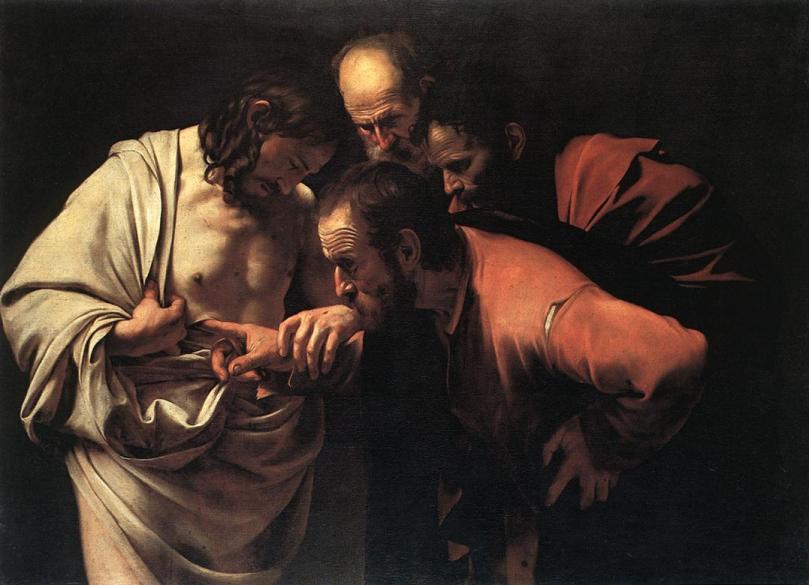
“On the evening of that first day of the week, when the disciples were together, with the doors locked for fear of the Jewish leaders, Jesus came and stood among them and said, ‘Peace be with you!’ After he said this, he showed them his hands and side. The disciples were overjoyed when they saw the Lord.” (John 20:19-20)
Jesus appears to His disciples by seemingly walking through the locked doors of their hiding place. When we reflect on this, we need to get one idea firm in our mind. It is not that Jesus’ resurrection body was ghostlike after the resurrection. He had not become insubstantial. No, instead, He had become more substantial after the resurrection.
It is a biblical and theological reality that in the resurrection Jesus became, in a sense, more than He was before. And that key idea has bearing on our understanding of resurrection more generally, including our own future resurrection from death with new resurrection bodies. We will not become less than we were before but will become more than we were before.
Discover more from Matthew Erickson
Subscribe to get the latest posts sent to your email.
 Matthew Erickson
I couldn’t agree more!